Internship for 1st year students: what you can realistically get
Looking for an internship? Apply to Pledge A Smile FoundationShort answer
Yes, mostly in part-time or home-based work. The University Grants Commission's 2023 internship guidelines put the compulsory 60 to 120 hours after semester 4, and four Internshala office listings checked on 25 September 2026 each wanted three to six months of full-time availability. Year one suits short remote roles, NSS, campus activities or early law internships.
- Updated
- 26 September 2026
- Sources checked
- 25 September 2026
- Read
- 10 min
- Sources
- 21
Can you get an internship in your first year?
Four marketing-side listings checked on Internshala on 25 September 2026 each began their "Who can apply" list with the same line: candidates who "are available for full time (in-office) internship". None of the four named a year of study. Each asked for three to six months, and each gave a range of dates within which the intern had to start.
For those four, the first bar to an internship for first year students was the timetable. A student with classes until mid-afternoon cannot promise a full day in an office for four months, whatever year the listing will accept. Two of the four also listed degree requirements under "Other requirements", one asking for B.E. or B.Tech graduates of a "Tier-1 engineering institution" and the other for a bachelor's degree in management with a marketing specialisation.
The rules at the college end point the same way. The University Grants Commission's (UGC) internship guidelines for undergraduates (2023) ask for 60 to 120 hours of internship, due only once semester 4 is behind you. That leaves year one free for shorter, lighter work. If you have not started college yet, the options open before admission are in the guide to internships after 12th.
What does your college expect in year one?
Under the UGC's frameworks, no internship falls due in year one unless you plan to leave after two semesters. The UGC's Curriculum and Credit Framework for Undergraduate Programmes says students who exit after the first two semesters "will undergo a 4-credit work-based learning/internship during the summer term in order to get a UG Certificate", on top of 40 credits already earned.
The same framework sets the summer term at eight weeks of the vacation and says internships can be done in it "especially by students who wish to exit after two semesters or four semesters of study". For everyone else, the UGC's 2023 guidelines put the compulsory internship after the fourth semester.
One model curriculum nudges first-years towards service instead. AICTE's 2024 model curriculum for the BBA advises a vacation spent on community engagement with an NGO once year one ends. Each university adapts these frameworks, so read your own syllabus; the index of internships by course points to your stream's rule.
Can you get an internship in the 1st year of engineering?
Yes, but in AICTE's scheme the first internship for 1st year engineering students is on campus. The credit table (Table 1) in the internship policy of the All India Council for Technical Education schedules 3 to 4 weeks in the "Summer vacation after 2nd Semester" for "Inter/ Intra Institutional Activities", worth 3 to 4 credits. Industry, government or NGO internships of 4 to 6 weeks follow after semesters 4 and 6.
The policy lists what those first-summer activities are: soft skills sessions run by the Training and Placement Cell, training at higher institutions, work in the incubation or innovation cell, conferences, workshops and competitions, learning in a departmental or tinkering lab, and consultancy or research projects within the institute.
It also counts the hours. One credit is "minimum 40-45 hours of work", and a B.Tech may count 14 to 20 credits of internship, projects, seminars and training. The policy has internships run full time in vacations and part time during term, and lets institutes reschedule them. What the credit line means in practice is worked through in AICTE's internship policy, explained.
A company internship for 1st year B.Tech students is still possible in the first summer if one fits. It simply will not be the one AICTE's table has in mind, so ask your department whether it will count before you commit the vacation to it.
ISRO's central internship scheme names no year of study. The internship scheme page of ISRO and the Department of Space extends its internship to UG, PG and PhD students who are citizens of India, studying science or technology at a recognised university or institution, with an aggregate of at least 60% or a CGPA of 6.32 on a scale of 10, for up to 45 days and without stipend.
Each ISRO centre allots the work as its expertise and projects allow, and the page sends students to the centre's own website for general guidelines, so check that page for the year of study it accepts. The separate project trainee scheme wants B.E. or B.Tech students to have completed semester 6.
A first-year student searching for a Google internship can turn to Google Summer of Code, which sets no year of study either. Its FAQ asks that a contributor be at least 18 when registering, allowed to work where they live, and a student or an open source newcomer. Asked whether GSoC is an internship or employment, the FAQ says no; contributors are independent developers paid a stipend.
Can a first-year law student do an internship?
Yes. An internship for 1st year law students can count toward the Bar Council minimum. The Supreme Court of India, in its Gaurav Kumar v. Union of India judgment of July 2024, summarised Rule 25 of the Bar Council's legal education rules of 2008 as 12 weeks "under an advocate" on the three-year course and 20 on the five-year one.
Those are course totals, and the judgment's summary ties them to no particular year; ask your college which first-year weeks it will record. How long one stretch may run, and who besides an advocate may host, is in the guide to Rule 25 hosts. Legal services authorities are one place to begin. The 2026 summer programme of the Delhi State Legal Services Authority (DSLSA), in its published notice, invited law students from colleges across India, offered 200 seats and said students of the five-year and three-year courses "are eligible to apply".
That cycle is over. Applications opened on 1 May 2026 and closed on 15 May, and interns worked from 5 to 25 June. Each applicant had to attach a letter of recommendation from the principal or the head of law, and the certificate required at least 75% attendance.
The National Legal Services Authority (NALSA) runs a four-week programme, starting on the first of a month, that a first-year may apply to. Its Internship Programme-2026 notice admits students of either LL.B course but gives preference to years 3 to 5 of the five-year course and years 2 to 3 of the three-year one, and selects by draw of lots.
Each NALSA stint is full time and in person, Monday to Saturday, with no stipend and 90% attendance for the certificate; the notice advises against applying for a month that clashes with college exams. The notice's example puts the form for a January 2026 start online from 1 September to 30 November 2025, and the NOC must state your semester or year.
What is open to a first-year student right now?
Short, part-time and home-based work, and the National Service Scheme. Internshala's work-from-home page carried 2,330 internships on 25 September 2026. Of the 50 on its first page, 25 were marked part time, 26 lasted a month or less and 12 paid nothing, so read the pay line first.
The government's own board has short formats too. The AICTE National Internship Portal lists weekly internships of 1 to 4 weeks alongside monthly ones of 1 to 6 months and semester projects, and describes the weekly ones as assignments "you can finish inside a break". Its FAQ says every listing card states its own eligibility and that the matcher hides postings a student does not qualify for.
The National Service Scheme is the other door that opens in year one. The NSS FAQ says you register with the NSS unit through its programme officer, and that you must be "a bona fide student" before joining. A volunteer puts in 120 hours of service each year for two years, alongside studies, plus one special camp.
For B.Tech students, AICTE's internship policy has NSS, NCC, sports or SAGY coordinators or the placement officer coordinate its community-service activities, and recommends 300 to 400 hours of them over the degree.
Some institutes recruit first-years directly. NSS at IIT Hyderabad registers volunteers through a form "floated by NSS to all first year students in the beginning of their first semester", and says a B.Tech student there must complete 120 hours of NSS or 240 hours of NSO to graduate. That is one institute's rule.
For the other places a first internship can come from, see first internships for freshers. How NSS compares with volunteering directly for an NGO on a CV is in NSS or direct NGO volunteering.
What stays closed until later years?
The PM Internship Scheme, NITI Aayog's internship, office internships that want months of full-time attendance and, in engineering, the industry slot. A Ministry of Corporate Affairs release on the Press Information Bureau dated 22 April 2026 widened the scheme's pilot to final-year undergraduates and postgraduates, aged 18 to 25, who still have to satisfy the scheme's other conditions and submit a college NOC.
The scheme's own FAQ page still sets the age at 21 to 24 and rules out applicants "engaged in full-time education", while stating that candidates in online or distance learning programmes are eligible. A full-time first-year student falls outside both versions.
Office internships of three to six months, like the four listings above, wait for a longer vacation or a lighter timetable. In engineering, AICTE's table holds industrial, government, NGO, MSME and rural internships for the vacations after semesters 4 and 6, when the policy says "students are ready for industrial experience".
NITI Aayog's internship sets a year floor of its own. The NITI Internship Scheme guidelines on its website take undergraduates only once they have sat or completed their second-year (4th semester) exams, with at least 85% in class 12, for an unpaid stint of six weeks to six months. What changes in year two is in internships for second-year students.
Which first-year route fits your timetable?
If classes fill your days, do part-time remote work or NSS during term and keep institute activities, a legal services programme or a full-time role for the vacation. Whether any of them counts toward your degree depends on your own college. Compare the routes on fees, credit, supervision, subject skills and fit around classes.
- Institute activities. For B.Tech students AICTE's first-summer slot is on campus, evaluated by a programme head or cell in-charge, and it counts for credit where your institute follows the policy. Lab and research-project work can build subject skills. It fits the summer vacation rather than term time.
- NSS. You join through your college's unit and a programme officer oversees the work. It asks 120 hours a year alongside your studies plus one camp, and gives a certificate for a completed year. It builds service experience, not subject skills, and counts toward graduation only where your institution says so, as at IIT Hyderabad.
- A part-time listing on a board such as Internshala. The employer supervises and sets the pay, from unpaid to a monthly stipend. Hours can fit around classes if the listing says part time. Credit depends on your college, and a listing that asks you for a fee is one to walk away from.
- A legal services authority, for law students. DSLSA's 2026 programme was hosted by the authority itself and gave a certificate for 75% attendance; ask your college whether it records the weeks toward the Bar Council total. It asked for legal writing and basic legal knowledge, ran in June, and needed a recommendation letter from your college.
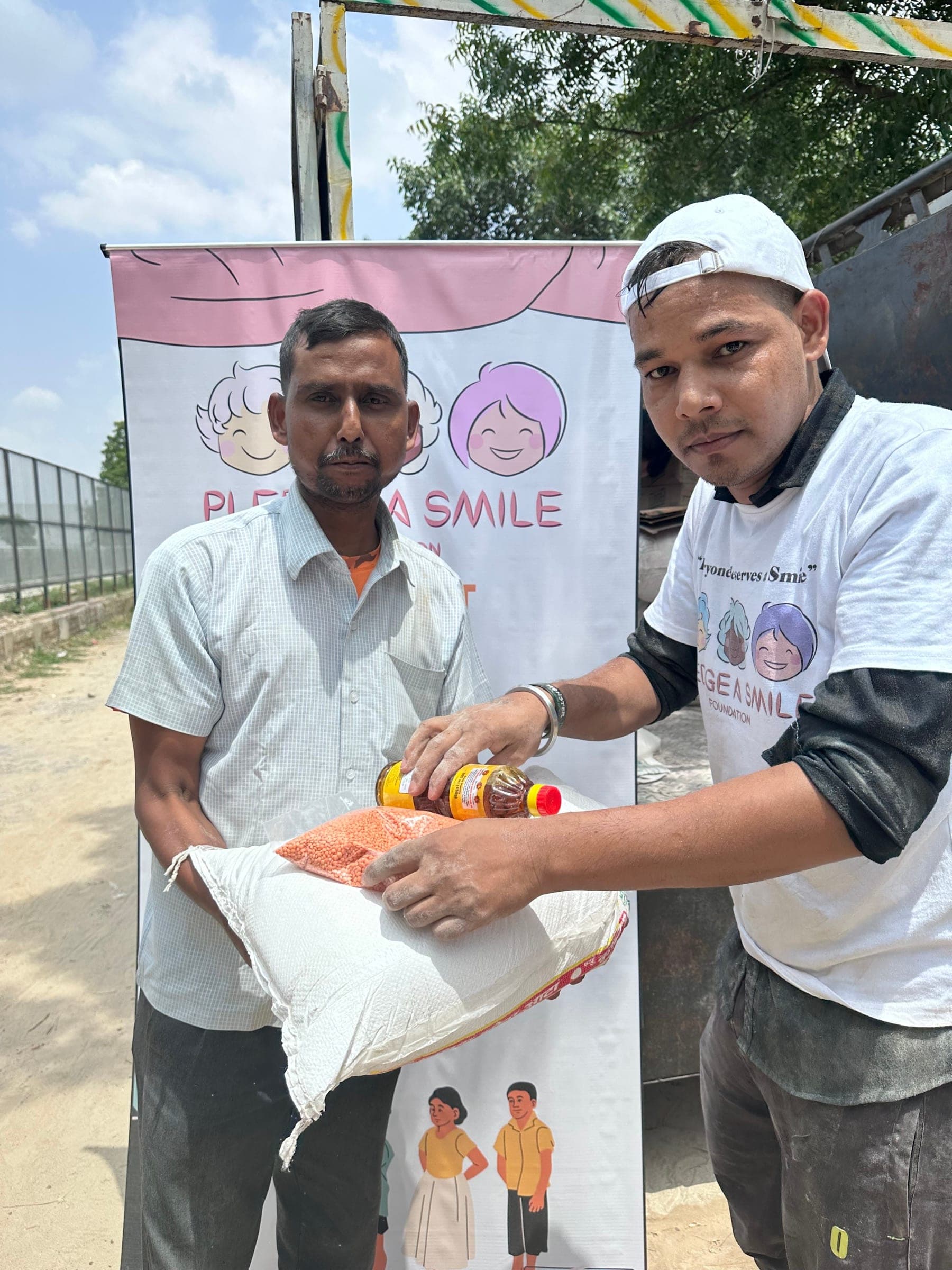
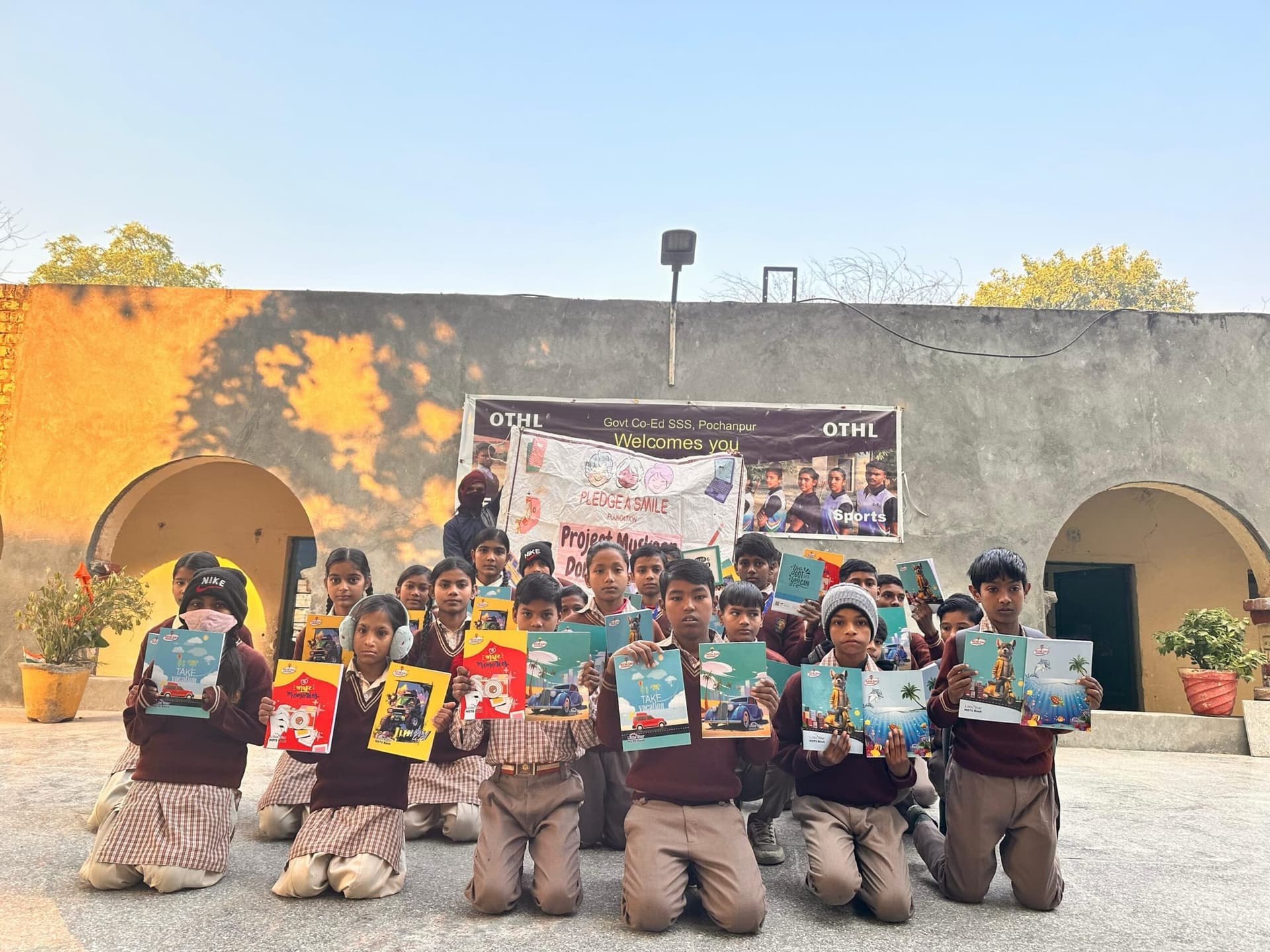
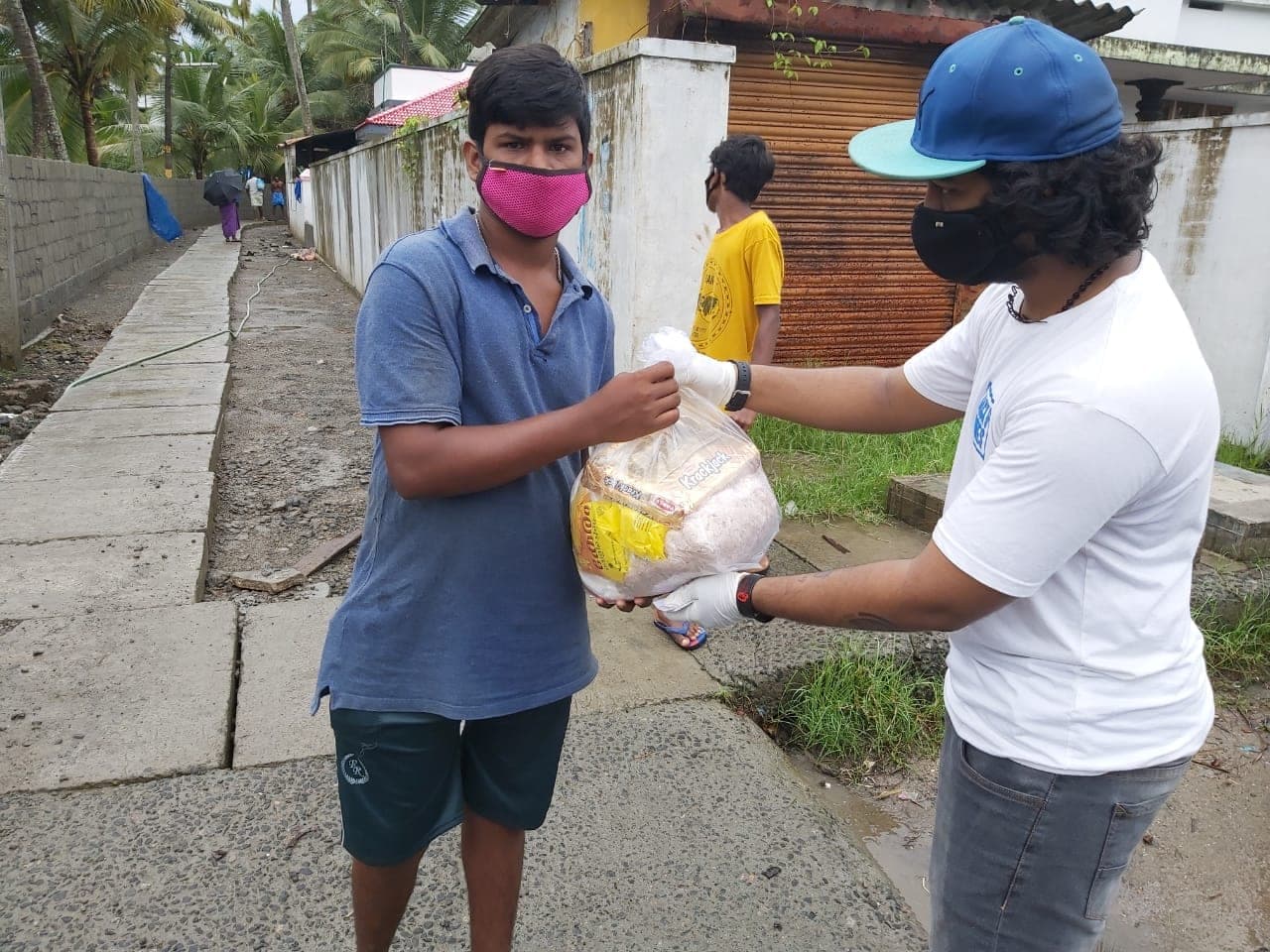
- Going straight to a non-profit. Pledge A Smile Foundation (the publisher of this guide) runs an online internship that is open to students of any stream and free to apply to and to do. Interns own a weekly target, send a weekly report and get feedback on it. There is a performance-based stipend and a certificate on completion. It does not teach subject-specific technical skills.
Two of these can run side by side, one in term time and one in the vacation.
What should you do this month?
Find your course's internship rule, register for whatever your college runs for first-years, and take on one short piece of remote work you can finish before exams. B.Tech students should also ask the Training and Placement Cell which activities count for the summer after semester 2, and law students should watch legal services authorities' websites in spring.
- Read your syllabus for the internship paper and the semester it falls in, and note whether your college follows the UGC exit rule after year one.
- If you are in B.Tech, ask the Training and Placement Cell which activities will count for the summer after semester 2. AICTE's policy asks every student to keep "a file containing documentary proofs of the activities", so start that file now.
- Register with your college's NSS unit early in the first semester, where it recruits then, as IIT Hyderabad's does.
- If you study law, watch the websites of the legal services authorities in spring for summer notices (DSLSA's 2026 applications opened on 1 May), and ask the principal or head of department for a recommendation letter in good time.
- Apply to two or three part-time remote roles that state their pay and hours, and pay nobody to apply.
A summer internship for first-year students has its own options, weighed in summer internships for first- and second-year students.
- 1The University Grants Commission's 2023 internship guidelines make 60 to 120 hours of internship mandatory for undergraduates once the fourth semester is over.
- 2Under the UGC's Curriculum and Credit Framework for Undergraduate Programmes, a student exiting after two semesters does a 4-credit work-based learning or internship in the summer term to get a UG Certificate.
- 3The All India Council for Technical Education's Internship Policy schedules 3 to 4 weeks of on-campus institutional activities in the summer after semester 2, with industry internships after semesters 4 and 6.
- 4The Supreme Court of India, summarising Rule 25 of the Bar Council of India's Rules of Legal Education 2008 in a July 2024 judgment, put the minimum internship under an advocate at 12 weeks for the three-year law course and 20 weeks for the five-year course.
- 5On 25 September 2026, 25 of the 50 first-page listings on Internshala's work-from-home page were part time and 26 lasted a month or less.
Does the AICTE National Internship Portal charge students a fee?
No. The AICTE National Internship Portal says registration, applications, shortlisting and the completion certificate cost a student ₹0. It calls any website, agent or placement consultant that asks a student to pay to apply through it a scam, to be reported to [email protected]. Treat a fee request from any other host the same way.
Can I rejoin my degree after exiting with a UG certificate in first year?
Yes, under the UGC's Curriculum and Credit Framework for Undergraduate Programmes. A student who exits after year one with 40 credits, and completes a 4-credit vocational course in the first-year summer, gets a UG certificate. That student may re-enter within three years and must complete the degree within seven years.
Does the PM Internship Scheme pay ₹5,000 or ₹9,000 a month?
The newer figure is a minimum of ₹9,000 a month, in a Ministry of Corporate Affairs release on the Press Information Bureau dated 22 April 2026. The scheme's own FAQ page still describes ₹5,000 a month for the 12-month internship, so check the portal on the day you apply. First-years in full-time education are not eligible either way.
How many of the 120 NSS hours are spent in the community?
70 of them. The National Service Scheme FAQ splits a volunteer's 120 hours a year into 20 for orientation, 30 for campus work and 70 for community service. A volunteer serves two years alongside studies, and the seven-day special camp is compulsory.
Do AICTE activity points start in the first year?
Yes. Table 3 of the AICTE Internship Policy sets 100 activity points for students who join a degree programme in the first year, to be earned across years one to four, and 75 for lateral entrants from the third semester. The policy says the activities can be spread over the years as suits the student.
Every rule above links to the document that states it. The full list, with the date each was last opened:
- 1Internshala listing (sales, Hyderabad)internshala.com · checked 25 September 2026
- 2Internshala listing (SEO and content marketing)internshala.com · checked 25 September 2026
- 3Internshala listing (media planning, Bangalore)internshala.com · checked 25 September 2026
- 4Internshala listing (account management, Mumbai)internshala.com · checked 25 September 2026
- 5UGC, Guidelines for Internship/Research Internship for Under Graduate Students (2023)ugc.gov.in · checked 25 September 2026
- 6UGC, Curriculum and Credit Framework for Undergraduate Programmesugc.gov.in · checked 25 September 2026
- 7AICTE, Model Curriculum for UG Degree Programme in BBA (2024)aicte-india.org · checked 25 September 2026
- 8AICTE Internship Policy: Guidelines & Proceduresaicte-india.org · checked 25 September 2026
- 9Supreme Court of India, Gaurav Kumar v. Union of India (30 July 2024), via Indian Kanoonindiankanoon.org · checked 25 September 2026
- 10Delhi State Legal Services Authority, Summer Internship Program 2026cdnbbsr.s3waas.gov.in · checked 25 September 2026
- 11Press Information Bureau (Ministry of Corporate Affairs), 22 April 2026pib.gov.in · checked 25 September 2026
- 12PM Internship Scheme portal, FAQspminternship.mca.gov.in · checked 25 September 2026
- 13National Service Scheme, FAQnss.gov.in · checked 25 September 2026
- 14NSS IIT Hyderabad, FAQsnss.iith.ac.in · checked 25 September 2026
- 15Internshala, Work From Home Internshipsinternshala.com · checked 25 September 2026
- 16AICTE National Internship Portal, home pageinternship.aicte-india.org · checked 25 September 2026
- 17National Legal Services Authority, Internship Programme-2026 noticecdnbbsr.s3waas.gov.in · checked 25 September 2026
- 18NITI Aayog, NITI Internship Scheme guidelines (order text dated November 2018; file posted January 2023)niti.gov.in · checked 25 September 2026
- 19Bar Council of India Rules of Legal Education, Rule 25 (text as reproduced by VMS Law College)vmslaw.edu.in · checked 25 September 2026
- 20ISRO, DoS/ISRO Internship and Student Project Trainee Schemesisro.gov.in · checked 25 September 2026
- 21Google Summer of Code FAQdevelopers.google.com · checked 25 September 2026
Pledge A Smile Foundation takes interns from anywhere in India.
A registered Section 8 non-profit. The programme is remote, open to students with no prior experience, and free to apply to.
See the internship and how to applyMore from your situation
 Your situationInternship for freshers: where first internships come fromFive routes lead to a first internship, and they differ on pay, eligibility, remote work and subject skills. Here is what the official pages and one dated listing snapshot say about each.11 min read · 27 sourced claims
 By courseWhich internship is best for your course? A stream-by-stream indexEvery stream has a different answer to this question, and a few of those answers are set by a regulator rather than by the market. This index says what an online internship can do for your course, and points you to the full guide for it.7 min read · 8 sourced claims
 Your situationInternship for 2nd year students: a month-by-month plan before placementsA 3rd-semester student's internship year runs from now to July 2027, with the summer after the 4th semester as the one colleges count. This plan dates each step, from the Science Academies fellowship deadline in November to the paperwork a department checks.10 min read · 35 sourced claims