Which internship is best for your course? A stream-by-stream index
Looking for an internship? Apply to Pledge A Smile FoundationShort answer
It depends on your stream, and two regulators already set limits. The Supreme Court, summarising Rule 25, puts a five-year law course at twenty weeks of internship under an advocate, and a clinical psychology department's case count ignores work without face-to-face contact. Commerce and arts work mostly happens on a screen already.
- Updated
- 19 September 2026
- Sources checked
- 19 September 2026
- Read
- 7 min
- Sources
- 4
What makes one online internship better than another for your course?
Subject fit weighs heaviest where a regulator has already drawn the line. Summarising Rule 25 of the Rules of Legal Education, 2008, the Supreme Court records that a law student must intern under an advocate for at least twenty weeks on the five-year course and twelve weeks on the three-year course (Gaurav Kumar v. Union of India, 30 July 2024).
Where no regulator has drawn one, four checks cover most of it: whether the work touches the subject you are studying, whether the organisation can be verified outside its listing page, whether the weekly hours fit your own timetable, and whether the certificate at the end will name the work you did rather than a template phrase. What else Rule 25 restricts is a question for the law page, not for an index.
Psychology runs the other way. The Rehabilitation Council of India's M.Phil clinical psychology guidelines, published in 2016, exclude tele-counselling, e-counselling and anything else without face-to-face interaction when the Council computes the monthly case turnover a training department has to show. Of the documents opened for this index, none sets a comparable line for commerce or the arts.
Arts or humanities: which online work is open to you?
Writing, editing, translation, digital archiving and research assistance for NGOs, publishers and academic projects are the kinds of posting open to you here, and they lean on the reading, writing and analysis your syllabus already asks for. Read the arts and humanities page next.
Which remote roles fit a B.Com or other commerce degree?
Bookkeeping support, GST and compliance data entry, financial research, and content work for fintech and NGO finance teams are the recurring shapes. Much of that sits on a computer in a real accounts department anyway, which is why it travels to a remote role. The commerce page separates the roles that build toward an accounting or finance career from the clerical ones.
B.Sc. and science students: what does a screen leave out?
Start with the limit. A wet-lab technique, a field survey and instrument handling cannot be done from a laptop, so what is left online is data analysis, literature review, science communication and remote support for a researcher's ongoing study. The science page works through that split.
BCA and other non-engineering IT courses: where is the work?
Web development, QA testing, data entry automation and technical content writing are what a BCA syllabus reaches. The thing an interviewer will ask you to show is a portfolio, which is where our BCA and IT page begins.
Engineering without coding: what is left online?
Technical writing, quality documentation, project coordination and non-coding work in product or operations teams can all be done from home. Core design, testing on physical hardware and site work cannot. The page for engineering students who would rather not code takes that further.
Law: how does an online internship sit beside Rule 25?
Legal research, policy tracking, compliance review and drafting support for NGOs, think tanks and firms are all workable remotely. None of it substitutes for the twenty weeks a five-year course owes under Rule 25, which the Supreme Court describes as internship under an advocate. Count the two separately before you plan a vacation, and use the page on legal internships away from court for the counting.
Psychology: where does the clinical line fall?
Research assistance, literature review, supervised test-scoring support and awareness content are open to you online. Direct clinical contact is not, and the Rehabilitation Council's rule on monthly case turnover keeps work without face-to-face interaction outside what it counts. The psychology page deals with what is possible without a hospital or clinic tie-up.
MBA first year: how should you use the summer?
Your summer term usually narrows to a corporate role, a startup or a social-sector placement, and the sector you want for final placements should settle it rather than the stipend on offer. The MBA summer page weighs those three against each other.
Preparing for the UPSC: does an internship matter?
The Detailed Application Form asks specific questions about what you have done, and the profile you file there is what an interview board reads from. That is separate from whatever internship helps you get hired in the meantime. Our page on the DAF goes through the form and the six months in front of it.
What if two of these streams describe your degree?
Follow the work, not the name on the degree. If you are doing BA psychology, the arts page and the psychology page will show you the same writing and research roles, and only the second one deals with the clinical boundary. If you are in BCA, you are shopping in the same market of documentation, testing and coordination work as an engineering student who has stopped coding.
Where two of these pages overlap, take the one whose limits match your course, because the limits are what a recruiter in that field will probe. A double major, or a degree sitting between two of these, costs you nothing to read twice before you apply to whichever posting names work you can describe afterwards.
Before you apply, how do you check the organisation?
Look for what exists outside the listing: a website with a named team and an address, a registration or trust detail somewhere on it, and a person who answers your email with a designation under their name. A listing that gives you a form and a stipend figure and nothing else leaves you nothing to check.
Ask what the certificate will say, and ask in the first week rather than the last. A certificate recording your tasks, the dates and the person who supervised you gives an interviewer something to open on, while one recording attendance alone leaves them asking what you did all term.
What weekly hours should you agree to?
Fewer in term time than in a vacation. AICTE's policy puts one credit at 45 hours of work at minimum, and the week it expects of a full-time intern is 45 hours too, spread across internship, training, project work and seminar activity. That is why it treats internships as full-time in the summer or winter vacation and part-time during the academic session.
Read 45 as a ceiling rather than a target. Settle your weekly hours before the first task, name the days you have classes and the weeks your examinations fall in, and agree which side gives way when the two collide. Week one of an online internship has that conversation in detail.
Does an online internship carry academic credit?
That depends on your course and your college, not on the internship. AICTE's internship policy proposes that a minimum of 14 to 20 credits covering internship, entrepreneurial activity, project work, seminar and institutional training be counted toward a B.Tech or B.E. degree. For a three-year diploma the band is 10 to 14 credits. At 45 hours to the credit, the 14-credit case works out at roughly 630 hours.
Its table of internship activities names online internship next to internships with industry, government, an NGO, a PSU or a small enterprise, and the evaluation it sets down is a report, marked by your faculty mentor, by the placement officer or by the industry supervisor.
Read the four to six week slots in that policy carefully, because they sit in a general procedure where a college placement cell asks industry to allot vacation periods, not in a rule about online work. All of this binds AICTE-approved institutions only. An arts, commerce or science department writes its own rule, usually in a departmental notice rather than a national document, so ask there before you start.
Which online internships are open to any stream?
Three routes do not ask for a particular degree. Judge each of them against the four checks at the top of this index: subject relevance, how easily you can verify the organisation, the hours asked of you, and what the certificate will name.
General listing boards carry postings open to students from any course. Applying costs you nothing, verifying the organisation behind a posting is your own job, and a posting written to appeal broadly is unlikely to build one subject skill.
A government scheme such as the PM Internship Scheme sets eligibility of its own, usually wider than a single stream, and comes with a defined structure behind it. Check that eligibility against your year and your course before you count on it, and expect general workplace exposure rather than training in your subject.
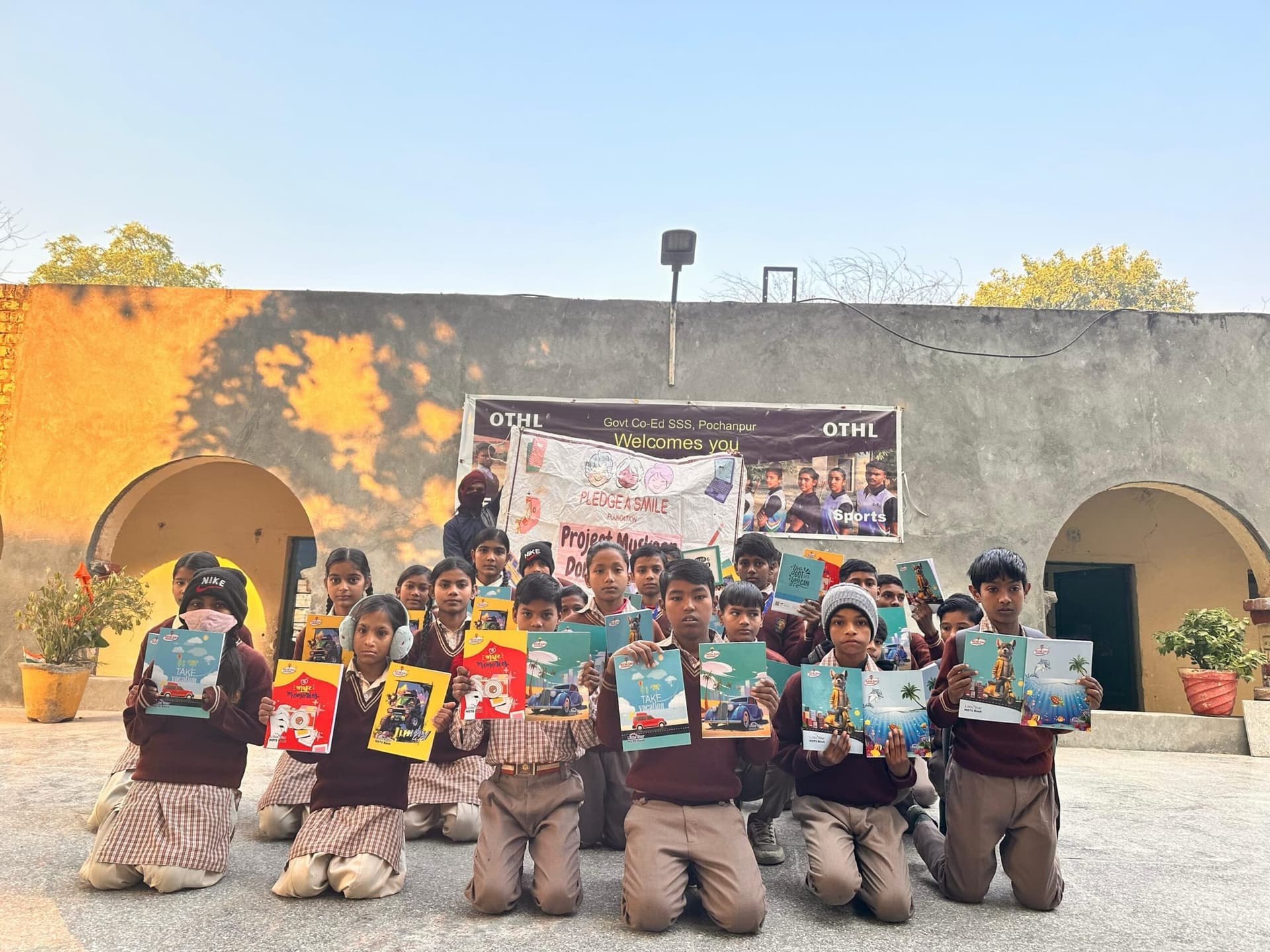
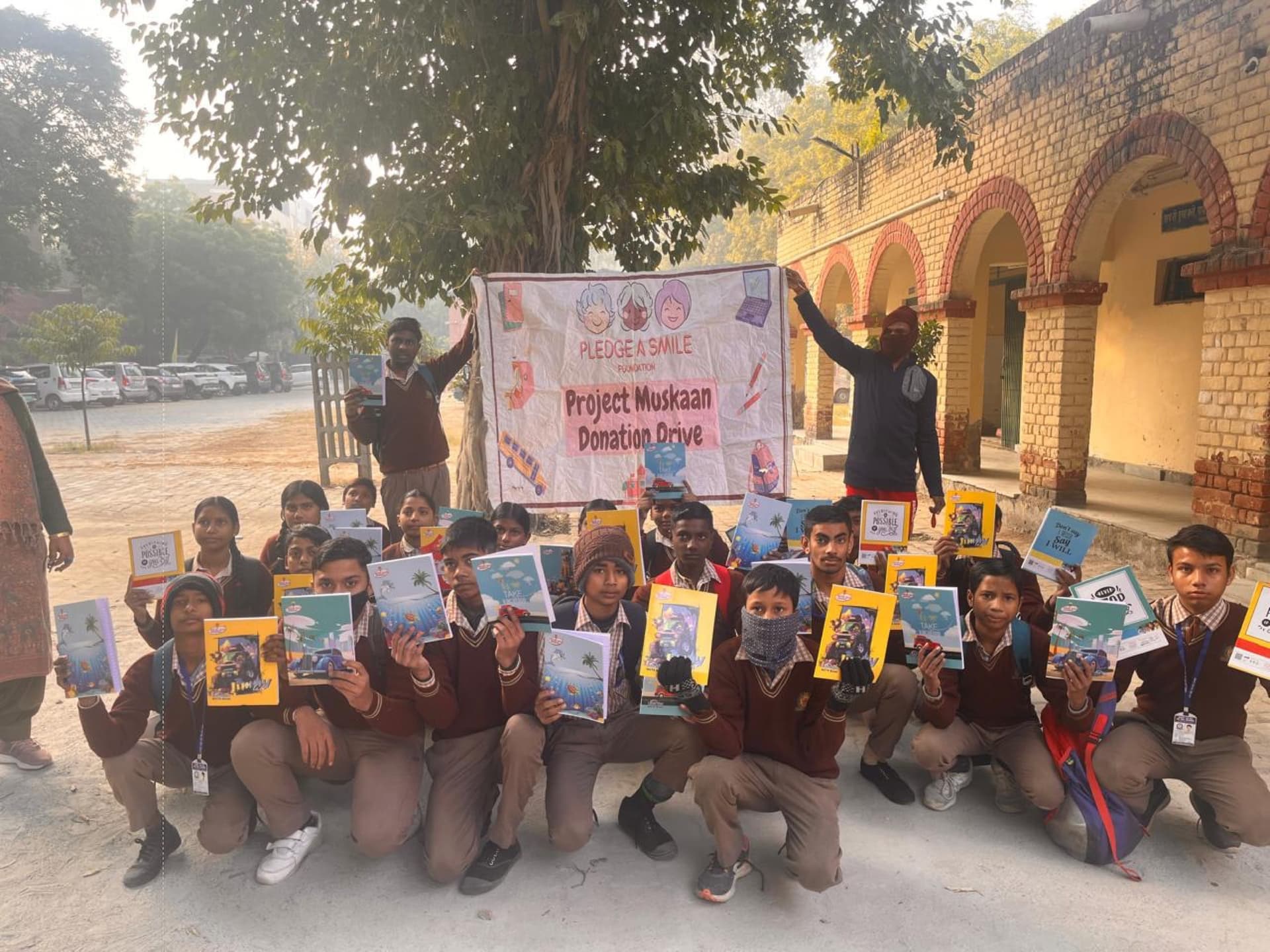
Pledge A Smile Foundation publishes this index and runs an online internship of its own. Students of any stream may apply, there is no fee, you own a weekly target and send a weekly report that comes back with feedback, and there is a certificate. It teaches no subject-specific technical skill.
Whichever route you pick, it sits alongside a stream-specific internship rather than in place of one. The general route leaves you with work habits and a certificate; the stream-specific route leaves you with the subject skill a recruiter in that field will ask about directly. If the unpaid social-sector question is the one in front of you, there is a comparison of NSS against direct NGO volunteering on a resume.
- 1Check four things before you accept an online internship: whether the work touches the subject you are studying, whether you can verify the organisation outside the listing, whether the hours fit your timetable, and whether the certificate will name the work you did.
- 2Remote work cannot reproduce a laboratory bench, testing on physical hardware, an appearance in court or face-to-face clinical contact, while in commerce and the arts much of the same professional work is already done on a screen.
- 3Summarising Rule 25 of the Rules of Legal Education, 2008, the Supreme Court records twenty weeks of internship under an advocate on the five-year law course and twelve weeks on the three-year course, and the Rehabilitation Council of India's 2016 M.Phil clinical psychology guidelines leave work without face-to-face interaction out of the monthly case turnover a training department must show.
- 4AICTE's policy proposes a minimum of 14 to 20 credits covering internship, entrepreneurial activity, project work, seminar and institutional training toward a B.Tech or B.E., at 45 hours of work to the credit, and names online internship among the activities it counts.
- 5A stream-neutral internship and a stream-specific one do different jobs: one leaves you with general work experience and a certificate, the other with practice in the subject you will be questioned on in that field's interviews.
Can you do more than one online internship from different streams?
Yes. Nothing stops you combining a stream-specific internship with a general or non-profit one in the same year, as long as the hours fit your timetable and your college's own rules on concurrent internships, where it has any.
Does the internship have to match your major exactly?
No. A close match helps a recruiter in that field read your resume faster, but adjacent work, such as financial research for an NGO while you are doing B.Com, still counts as relevant experience.
Is a stream-neutral internship less valuable than a stream-specific one?
It is different rather than lesser. The stream-neutral one builds work habits, communication and a certificate; the stream-specific one builds the technical or subject skill a recruiter in that exact field screens for. There is room for one of each across a degree.
How do you pick between two internships in the same stream?
Put both against the four checks used throughout this index: subject relevance, how verifiable the organisation is, the weekly hours asked of you, and what the certificate will name.
Where do you start if your stream is not listed here?
Start with the general checks in the first section, since they hold whatever you are studying, then look at the listing boards and the government scheme in the section on internships open to any stream.
Every rule above links to the document that states it. The full list, with the date each was last opened:
- 1Supreme Court of India, Gaurav Kumar v. Union of India, 30 July 2024, footnote 90indiankanoon.org · checked 19 September 2026
- 2Rehabilitation Council of India, M.Phil Clinical Psychology Guidelines and Syllabus, 2016cdnbbsr.s3waas.gov.in · checked 19 September 2026
- 3AICTE, Internship Policy: Guidelines and Proceduresaicte.gov.in · checked 19 September 2026
- 4Pledge A Smile Foundation, Internship pagepledgeasmile.com · checked 19 September 2026
Pledge A Smile Foundation takes interns from anywhere in India.
A registered Section 8 non-profit. The programme is remote, open to students with no prior experience, and free to apply to.
See the internship and how to applyMore from by course
 By courseOnline internships for law students that are not court internshipsOnce the Bar Council's mandatory weeks are planned, there is research, policy and compliance work a law student can do from a laptop. This guide covers where that work sits, who will take a first year, and what your college will want on paper afterwards.8 min read · 13 sourced claimsBy courseOnline internships for psychology students: what counts without a hospital or clinic tie-upPsychology internships you can do from a laptop are research, scoring and writing roles rather than case work. The Rehabilitation Council of India draws its line at face-to-face clinical contact, and your own department sets its practicum rules.7 min read · 13 sourced claimsBy courseOnline internships for arts and humanities studentsArts is India's largest undergraduate stream by enrolment, and no rule turns that into an internship for you. Here is what a literature, history, political science, fine arts, economics or sociology background can realistically do in a remote internship, and how it changes what an employer sees.8 min read · 7 sourced claims