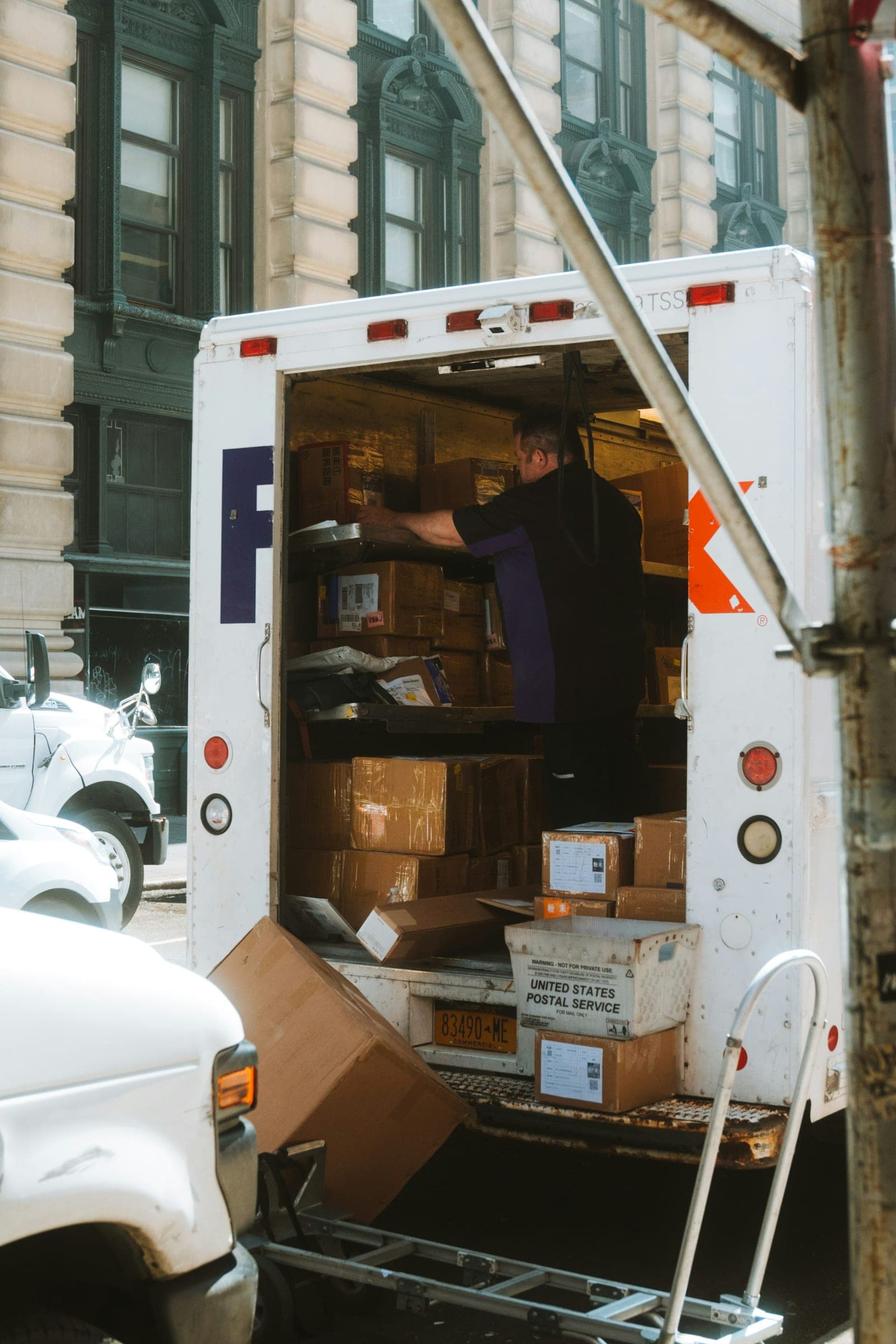
 Photo: Luke Miller / Unsplash
Every number on this site passes one test before it goes live. It has to carry the name of the source it came from. If it cannot, it does not publish. In the code behind these pages an unconfirmed count cannot quietly round itself off or borrow a figure from somewhere plausible: it renders as a flag that has to be answered, and nothing ships until a founder has checked it against a document and signed it off. Every org figure below has been through that.
We are registered under Section 8 of the Companies Act, ISO 9001 certified, and 80G approved. Those are audit words. They mean an outside party is entitled to open our books and follow a claim back to its paper. A number we cannot trace has no business sitting next to registrations like those, so we built the site to refuse it by default rather than trust us to catch it later.
So here is the whole of what we claim, in one place. Project Seva has distributed 65+ tonnes of food grains and reached 6,500+ families. Project Raahat has put out 10,000+ winter items to 8,500+ families. Project Muskaan has worked with 500+ children since 2020, across 14 Special Training Centres and two orphanages. Counted across everything we have run since 2020, that is 1,00,000+ smiles delivered.
Those are the same figures we give a company in a meeting. It is a short list, deliberately. Every number on it is one a founder has signed against our own records, which is also why there are not more of them.
food grains distributed through Project Seva since 2020
Source · Pledge A Smile Foundation records, confirmed September 2026
A blank we admit to is worth more than a total we invented.
There is a statistic that appears on hundreds of NGO pages. It claims that millions of girls in India drop out of school every year the moment they start menstruating. We went looking for where that figure comes from. It traces to a single advocacy report from 2014. Behind it there is no primary dataset, no survey, no government count that produces a national annual figure of that size. It is a claim that got repeated until it sounded like a fact.
So we took it off. The point it was making does not need it. The National Family Health Survey shows that half of India's young women still use cloth rather than a sanitary product, and that access splits sharply by household income. That is a government survey with a year attached to it. We would rather make the smaller true point than the large one that would get us fact-checked and embarrassed the first time a donor pulled the thread.
Honesty has to cut inward too, or it is just a marketing posture. There are figures we could produce tomorrow and choose not to. We do not publish a cost per ration kit, or how many days a bag of grain feeds a household, because both depend entirely on the size of the family it lands in. Any figure we printed would be an average pretending to be a promise. The same goes for a percentage breakdown of where each rupee goes.
Our drive reports carry no household counts and no settlement names either. A single morning's tally is the shakiest number we hold, and a count and a place name together is more than the families in those photographs agreed to give us. So the reports say what we carried in and what the morning was like, and stop there. A blank we admit to is worth more than a total we invented.
On a ration morning the truck comes in loaded and leaves empty. We do not run an income test at the tailgate. We work off lists built ahead of time with people who know the settlement, the contacts who can say which households are stretched thinnest that month.
It is not a perfect instrument and we do not describe it as one. We could write copy that implies a rigorous eligibility process with paperwork and verification. It would sound more impressive and it would be false. The kit gets to the families who need it, on the day, and we say exactly that about how it happens.
An organisation's credibility is not built from its biggest number. It is built from the numbers it declined to use. Every figure we round down, every stat we delete, every count we leave blank is a small deposit in the one account that compounds over years, which is whether a donor can trust the next thing we say.
We try to hold every page on this site to this rule, not just this one. If you find a number here without a source behind it, tell us, because it should not be there.
- 1Pledge A Smile Foundation records, confirmed September 2026: Project Seva 65+ tonnes to 6,500+ families; Project Raahat 10,000+ winter items to 8,500+ families; Project Muskaan 500+ children since 2020 across 14 STCs and 2 orphanages; 1,00,000+ smiles delivered
- 2Dasra, Spot On! (2014): the single advocacy report the widely-repeated 'girls drop out at menstruation' claim traces to, which we do not publish Link
- 3National Family Health Survey-5 (NFHS-5), 2019–21, IIPS / Ministry of Health and Family Welfare: the defensible menstrual-access figures we use instead Link
The numbers are real.
So is the need.