 Photo: Nayan Bhalotia / Unsplash
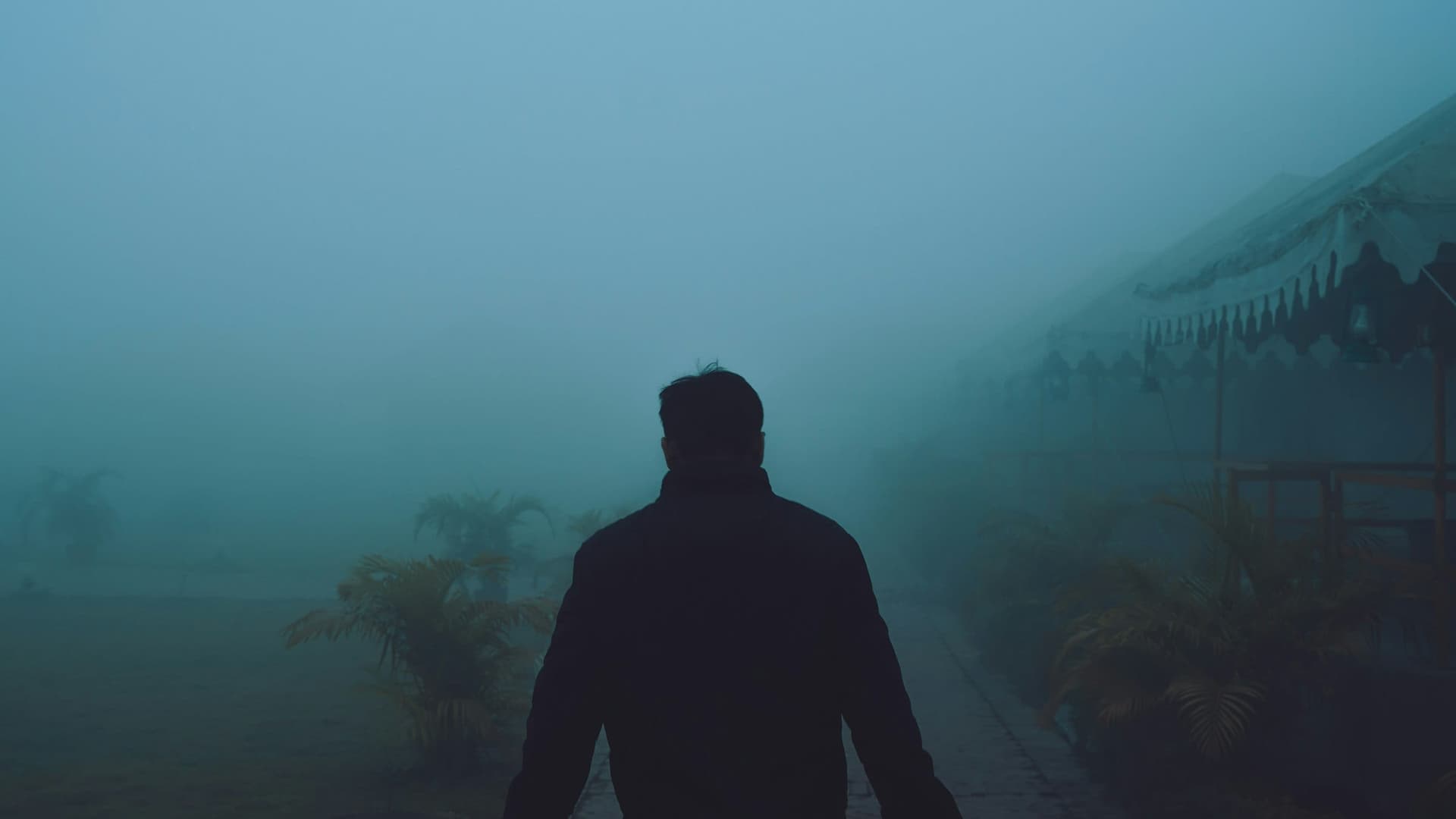
Go out to a brick kiln on a February morning and you meet a single household carrying three problems at once. The family firing the bricks through the winter lives along the stacks, in a single room or half-built shelter. They are cold. They are food-insecure. And they are one bad week away from pulling a child out of class. We photographed one of these mornings: mothers standing behind rows of children wrapped in new grey blankets, the winter trees and the kiln behind them. Nothing in that frame is three separate charities' work. It is one family.
That is the reason we run Seva, Raahat and Muskaan as overlapping drives rather than three lanes that never cross. The cold, the hunger and the school-dropout are not tidy, separate causes. They are usually the same household's problems, arriving in the same week.
Around 90% of India's workers are informal, with no written contract and no paid leave to fall back on (WIEGO). For a daily-wage family, that number is the whole story. A single missed workday, and the income stops without warning. When it stops, it does not stop for one thing. The food budget, the winter layer that never got bought, and the small recurring costs of keeping a child in school all get squeezed at once.
So the shock cascades. A missed workday becomes a skipped dinner, a bare set of feet against the cold, and a school bag or a pair of shoes the family quietly decides it cannot afford this term. Treat any one of those in isolation and you have patched a symptom while the household still slides.
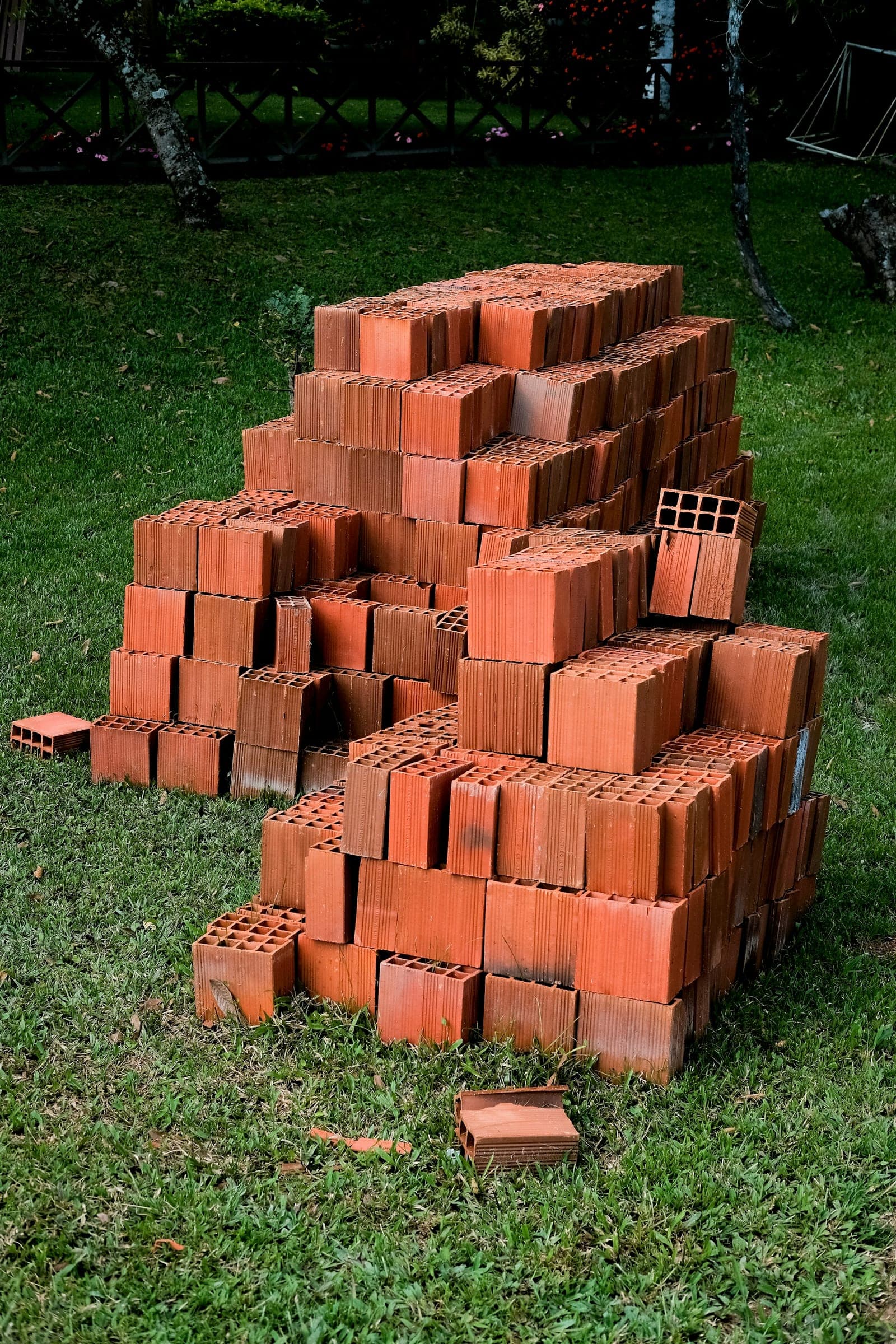
of India's workers are informal, with no contract or paid leave
Source · WIEGO Statistical Brief, India
The blanket and the ration kit earn the door the school kit walks through.
We stay concrete about what each drive carries. Project Seva delivers dry-ration kits, rice or wheat flour with dal and oil, to daily-wage and migrant families: 65+ tonnes of food grains to date, to 6,500+ families. We hand over food, never cooked meals. A month's kit is a cushion a family stores and cooks for itself, so a lost week does not become a skipped meal.
Project Raahat carries winter items into the same settlements, blankets, warm jackets, caps and socks, 10,000+ winter items to 8,500+ families. Project Muskaan is the education work: school kits of bags, notebooks, uniforms and shoes, and a roster that spans 14 Special Training Centres and two orphanages, 500+ children since 2020. Footwear sits across two of these needs at once, which is why a single handover, a teen volunteer fitting shoes onto village women in low winter sun, belongs to the winter drive and the school work in the same photograph.
food grains distributed through Project Seva to date
Source · Pledge A Smile Foundation records, confirmed September 2026
There is a working reason the drives share families, not only a moral one. The trust built by a winter blanket or a ration kit is what makes the education work land. A family that has seen us turn up in the cold, on the day, with exactly what we said we would bring, is a family that will let us map a child's needs and follow the attendance for a year.
Seva and Raahat serve the same households as Muskaan on purpose. Muskaan's ₹12,000 a year per child goes into the things a stretched family cannot buy for itself: the uniform, the shoes, the bag, the books, the classroom. But that spending only reaches a child whose family already trusts the people carrying it in. The relief drives are how that trust gets built, and the courtyard where notebooks go up is often full of the same faces that were behind the blankets at the kiln.
a year of Project Muskaan for one child, per the cost structure we report
Source · Pledge A Smile Foundation records, confirmed September 2026
Put the three lists together and the total is 15,500+ people and households reached across Seva, Raahat and Muskaan. Some families sit on more than one of those lists, and that is the design rather than an accident of bookkeeping: the whole point of running the drives this way is to arrive at the same door more than once.
The specifics behind the total: 65+ tonnes of rations to 6,500+ families, 10,000+ winter items to 8,500+ families, and 500+ children through Muskaan since 2020, across 14 STCs and two orphanages. We keep photographing the courtyard, the kiln and the footwear line in between, because it is so often the same people in all three frames.
- 1WIEGO Statistical Brief (Raveendran & Vanek), India: informal employment, drawing on NSS / PLFS and ILO definitions Link
- 2Pledge A Smile Foundation records, confirmed September 2026: Project Seva 65+ tonnes to 6,500+ families; Project Raahat 10,000+ winter items to 8,500+ families; Project Muskaan 500+ children since 2020 across 14 STCs and 2 orphanages; 15,500+ people and households across the three programmes; ₹12,000 per child per year
The numbers are real.
So is the need.